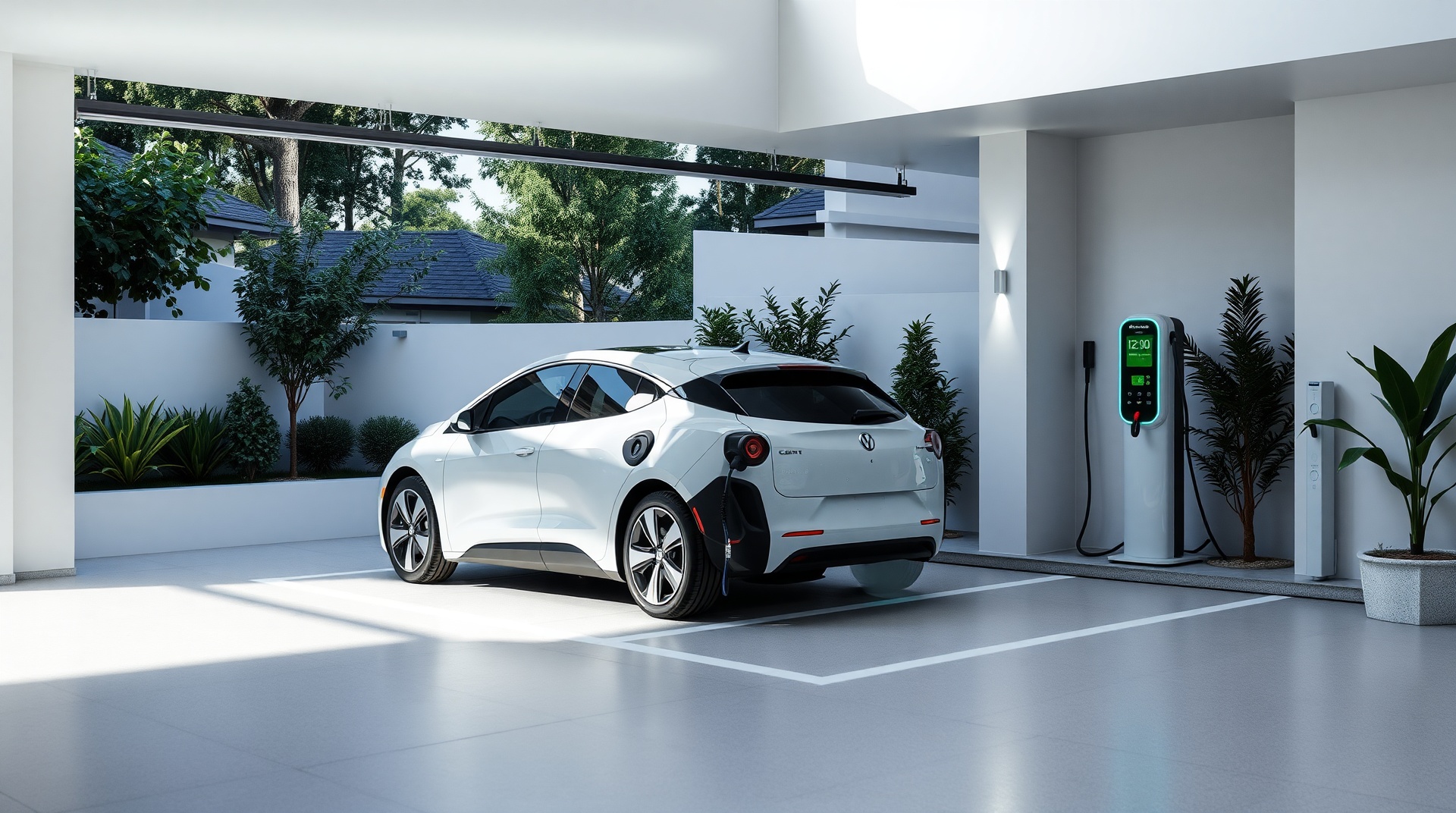
Find Certified EV Charger Installers Near You — Residential & Commercial
Connect with licensed EVSE installation electricians specializing in Level 2 EV charger installation for homes and businesses. Get expert guidance on electric vehicle charger installation, costs, permits, and incentives across all 50 states.
Find EV Charger Installers Near You
Search by city or state to connect with licensed electricians specializing in residential EV charger installation and commercial EV charging station installer services in your area
Why Professional Electric Vehicle Charger Installation Matters
Installing an EV charger requires specialized electrical knowledge and compliance with local codes. Our network of licensed EVSE installation electricians ensures safe, code-compliant installations for both residential EV charger installation and commercial EV charging station installer projects.
Safety & Code Compliance
Professional EV charger installers ensure your Level 2 EV charger installation meets NEC Article 625 requirements, local building codes, and safety standards. Licensed electricians handle permits, inspections, and proper grounding to protect your home or business from electrical hazards.
Maximize Incentives & Rebates
Qualified EVSE installation electricians help you access federal tax credits up to $1,000 for residential installations or $100,000 for commercial EV charging station installer projects. Professional installation documentation is required for most electric vehicle charger installation incentive programs.
Expert Installation & Support
Experienced EV charger installers assess your electrical panel capacity, recommend optimal charger placement, handle panel upgrades if needed, and provide ongoing support. Get your home EV charging station installer project completed right the first time with warranty protection.
Understanding EV Charger Installation Costs
The cost of electric vehicle charger installation varies based on several factors. Residential EV charger installation typically ranges from $800 to $2,500, including equipment and labor. Commercial EV charging station installer projects range from $3,000 to $50,000+ depending on the number of charging ports and electrical infrastructure requirements.
Key cost factors for Level 2 EV charger installation include: charger equipment ($400-$2,000), electrician labor ($300-$1,500), electrical permits ($50-$500), and potential electrical panel upgrades ($1,500-$3,000). Many homeowners qualify for federal tax credits and state rebates that significantly reduce the net cost of residential EV charger installation.
Our directory connects you with licensed EVSE installation electricians who provide transparent pricing, free quotes, and help you navigate available incentives. Whether you need a home EV charging station installer or commercial EV charging station installer, find qualified professionals who specialize in electric vehicle charger installation near me.
Everything You Need to Know About EV Charger Installation
From understanding Level 2 EV charger installation requirements to finding qualified EVSE installation electricians, we provide comprehensive education for homeowners and businesses seeking electric vehicle charger installation services nationwide
Charger Types & Levels
Understand Level 1, Level 2, and DC Fast Charging options for residential and commercial EV charger installation needs. Learn which charger type is right for your electric vehicle and property.
Learn MoreInstallation Costs
Get detailed breakdowns of EV charger installation costs, including equipment, labor, permits, and electrical panel upgrades. Compare residential vs commercial EV charging station installer pricing.
Learn MorePermits & Requirements
Navigate local permits, electrical codes, and safety requirements for compliant EV charger installation in your area. Licensed electricians handle permit applications and inspections.
Learn MoreSimple Process for EV Charger Installation
We make it easy to find qualified EVSE installation electricians and get your home EV charging station installer project or commercial installation completed properly
Learn & Research
Explore our comprehensive education center to understand Level 2 EV charger installation options, costs, and requirements for residential and commercial projects
Find Electricians
Search our directory of licensed EVSE installation electricians specializing in electric vehicle charger installation near me across all 50 states
Get Quotes
Request free quotes from multiple qualified EV charger installers to compare pricing, services, and availability for your installation project
Install & Charge
Professional installation ensures safe, code-compliant EV charging at your home or business with warranty protection and ongoing support
Find Licensed Electricians in Top US Cities
Connect with qualified electrical contractors who specialize in residential EV charger installation and commercial EV charging station installer services across major metropolitan areas
New York
New York
Los Angeles
California
Chicago
Illinois
Houston
Texas
Phoenix
Arizona
Philadelphia
Pennsylvania
San Antonio
Texas
San Diego
California
Dallas
Texas
San Jose
California
Austin
Texas
Jacksonville
Florida
Columbus
Ohio
Charlotte
North Carolina
San Francisco
California
Indianapolis
Indiana
Seattle
Washington
Denver
Colorado
Washington
District of Columbia
Boston
Massachusetts
Get Free EV Charger Installation Quotes
Connect with licensed EVSE installation electricians in your area and receive competitive quotes for your residential EV charger installation or commercial EV charging station installer project
Frequently Asked Questions About EV Charger Installation
Get answers to common questions about residential and commercial EV charging installation
How much does EV charger installation cost?
EV charger installation costs typically range from $800 to $2,500 for residential Level 2 chargers, depending on electrical panel capacity, distance from the panel, permit requirements, and whether upgrades are needed. Commercial installations can range from $3,000 to $50,000+ depending on the number of charging stations and electrical infrastructure requirements.
Do I need a permit for EV charger installation?
Yes, most jurisdictions require electrical permits for EV charger installation to ensure compliance with local building codes and safety standards. Licensed electricians typically handle permit applications as part of the installation process. Permit requirements vary by location, so check with your local building department or consult with a qualified electrician.
What is the difference between Level 1 and Level 2 EV charging?
Level 1 charging uses a standard 120-volt household outlet and adds 3-5 miles of range per hour, suitable for overnight charging. Level 2 charging requires a 240-volt circuit (like a dryer outlet) and adds 25-30 miles of range per hour, making it the preferred option for home EV charger installation. Level 2 is faster, more efficient, and recommended by most EV manufacturers.
Can any electrician install an EV charger?
While any licensed electrician can technically install an EV charger, it's best to work with electricians who have specific experience with EV charger installation. They understand the unique requirements, safety considerations, and local codes related to electric vehicle charging equipment. Our directory helps you find electricians with verified EV charging installation experience.
How long does EV charger installation take?
Most residential EV charger installations take 4-8 hours to complete if no electrical panel upgrades are needed. If your electrical panel requires upgrades or the installation is more complex, it may take 1-2 days. Commercial installations vary widely based on the number of charging stations and infrastructure requirements, typically taking several days to weeks.
Will I need to upgrade my electrical panel for EV charging?
Many homes built before 2000 may need electrical panel upgrades to support Level 2 EV charging, which typically requires a 40-50 amp dedicated circuit. A qualified electrician can assess your current electrical panel capacity and determine if an upgrade is necessary. Panel upgrades typically add $1,500-$3,000 to the total EV charger installation cost.
Ready to Install Your EV Charger?
Join thousands of homeowners and businesses who have successfully installed EV charging stations with help from our trusted network of licensed electricians